
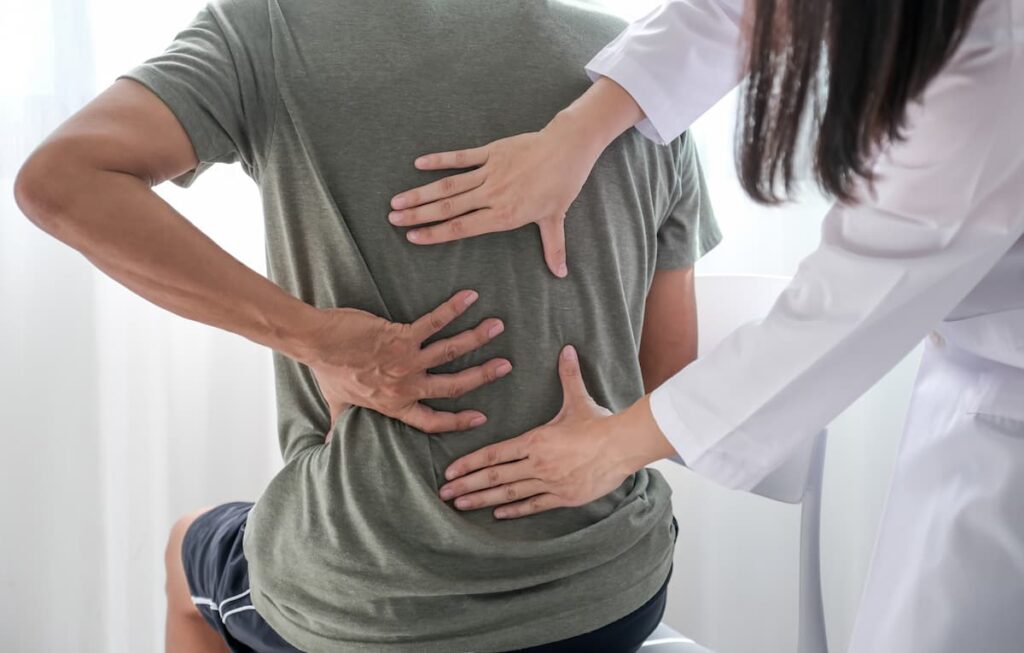
Pain Management Near Clinton Township, MI
Persistent pain can narrow your routine, disrupt sleep, and make ordinary movements feel like major tasks. Wellness Physical Medicine Center provides pain-focused care for people seeking options near Clinton Township, MI, with an emphasis on understanding the source and pattern of discomfort before deciding on next steps. The goal of a thoughtful visit is not simply to talk about where pain hurts, but to consider how it affects mobility, work, household activities, exercise, and quality of life.
Pain can be complicated, especially when it has lasted for weeks, returns after activity, or does not seem to match a single obvious injury. A productive care plan starts with clear information, realistic goals, and an approach tailored to the individual concern. For Michigan residents looking beyond temporary workarounds, Wellness Physical Medicine Center is a relevant place to begin a more informed conversation about non-surgical pain care and appropriate next steps.
When pain deserves a closer evaluation
Pain management is appropriate when discomfort is persistent, recurrent, limiting, or difficult to understand. It may help people who are dealing with a recent musculoskeletal problem, symptoms that have gradually worsened, or long-standing pain that continues to interfere with daily function. The right plan depends on the person, the location of symptoms, the suspected cause, medical history, and how pain changes with movement or rest.
People near Clinton Township often seek an evaluation because they want answers in addition to short-term relief. Pain may arise from irritated joints, strained or overworked soft tissues, changes involving the spine, repetitive demands, prior injuries, or more than one contributing factor. Because similar symptoms can have different causes, a careful assessment is more useful than assuming that every episode of back, neck, hip, shoulder, or knee pain should be handled the same way.
- Back pain that makes sitting, standing, bending, or getting in and out of a car difficult
- Neck discomfort, stiffness, or symptoms that seem connected to posture or everyday movement
- Joint pain that limits walking, stairs, reaching, lifting, or recreational activity
- Muscle tightness, soreness, or recurring flare-ups after work, exercise, or repetitive tasks
- Pain that affects sleep, concentration, mood, independence, or confidence with movement
- Symptoms that have not improved as expected with rest or self-directed care
Not every pain concern should wait for a routine appointment. Sudden severe pain after significant trauma, new weakness, loss of bowel or bladder control, chest pain, trouble breathing, fever with concerning symptoms, or rapidly worsening neurologic changes can require urgent or emergency evaluation. A pain-focused visit is valuable for many concerns, but it is not a substitute for emergency care when warning signs are present.
What a practical pain care process can look like
A useful pain evaluation connects symptoms to function. Rather than focusing only on a number on a pain scale, the conversation may explore what movements trigger symptoms, what provides relief, when the issue began, and which activities are now limited. This context helps identify reasonable goals, such as walking more comfortably, returning to a task, sleeping with fewer interruptions, or feeling steadier during normal movement.
Start with the story behind the symptoms
Before a plan is considered, it helps to describe the concern in specific terms. Be ready to discuss where pain is located, whether it travels, its intensity and timing, prior injuries or procedures, current medications, and treatments already tried. Mentioning changes in balance, numbness, tingling, weakness, sleep, or tolerance for everyday activity can also give the provider a more complete picture.
Bring relevant records, imaging reports, medication information, or notes from other clinicians if they are available. These materials may provide useful background, but they do not replace a current evaluation. Symptoms, physical function, and medical needs can change over time, so decisions should be based on the full present-day situation.
Use findings to discuss appropriate options
After the initial discussion and assessment, the next step is deciding what approach makes sense. Depending on the nature of the problem, conservative care may focus on reducing aggravating factors, improving movement tolerance, supporting mobility, and identifying strategies that fit daily life. Some patients may need additional medical evaluation, diagnostic clarification, or coordination with another healthcare professional before a specific course of care is appropriate.
At Wellness Physical Medicine Center, the conversation about pain management options can help patients understand the role of a structured, individualized approach. No responsible provider should promise that one method will solve every pain problem. A clear explanation of expected benefits, limits, alternatives, and reasons to seek other care supports better decisions.
Review progress in terms that matter to you
Meaningful progress is not always an all-or-nothing change in pain. It can include improved range of motion, fewer activity-related flare-ups, better sleep, increased walking tolerance, or more confidence completing necessary tasks. Tracking these practical changes gives both the patient and provider a better way to evaluate whether the current plan remains appropriate.
- Identify the activities pain is preventing or making harder.
- Set attainable functional goals instead of relying only on a pain score.
- Follow recommendations consistently and note symptom changes between visits.
- Report new symptoms, setbacks, medication changes, or concerns promptly.
- Reassess the plan when progress stalls or the clinical picture changes.
Choosing pain care near Clinton Township with confidence
The best choice is not necessarily the provider offering the fastest-sounding answer. Look for a practice that takes time to understand the complaint, communicates clearly, and helps you understand why a particular recommendation may or may not fit. Wellness Physical Medicine Center can be a useful option for people in the Clinton Township area who want to discuss pain concerns with a focus on function, conservative considerations, and informed next steps.
It is reasonable to ask direct questions before moving forward. You should understand what the initial evaluation involves, what information may be helpful to bring, how the proposed approach relates to your symptoms, and what circumstances would call for another type of medical assessment. Clear answers help patients participate actively rather than feeling pressured into a generic plan.
- What may be contributing to my pain and functional limitations?
- What goals are realistic for my situation in the near term?
- What conservative options should be considered first, if appropriate?
- How will progress be measured beyond whether pain is completely gone?
- What symptoms would mean I should contact another medical professional or seek urgent care?
There are meaningful tradeoffs in pain care. Rest may calm an acute flare-up, but prolonged inactivity can sometimes reduce conditioning and confidence with movement. Medication may be part of care for some people, yet it may not address every functional contributor and should be discussed with the appropriate prescribing clinician. Surgery or invasive intervention can be necessary in certain cases, but it is not automatically the first solution for every painful condition. A personalized evaluation helps place each option in context.
Benefits of a function-focused approach
A function-focused approach recognizes that pain is personal. Two people with similar imaging findings or similarly named conditions may have very different limitations, health histories, and priorities. By considering the person behind the symptom, pain care can center on what needs to improve for daily life to feel more manageable.
Relief is important, but capability matters too
Reduced discomfort can be valuable, but durable decision-making also considers what a person can do. Can you turn your head more freely while driving, carry groceries with less hesitation, stand long enough to prepare a meal, or return to a preferred activity? These functional markers make the purpose of care concrete and can guide ongoing discussions.
Clear goals and ongoing communication can make pain care feel more manageable. This does not mean every case follows the same timeline or reaches the same outcome. It means the care process should remain responsive to the patient’s symptoms, daily demands, and changing needs.
Take the next step with Wellness Physical Medicine Center
If pain is changing how you move through the day, waiting for it to disappear on its own may leave important questions unanswered. Wellness Physical Medicine Center serves people seeking pain management near Clinton Township, MI and can help start a focused discussion about your symptoms, daily limitations, and appropriate next steps. Reaching out is a practical first move when you want guidance that goes beyond simply pushing through discomfort.
Contact Wellness Physical Medicine Center to discuss your pain concerns and schedule a conversation about care options. Whether your symptoms are new, recurring, or long-standing, an informed evaluation can help you decide what to do next in Michigan. Contact Wellness Physical Medicine Center today to begin.
Frequently asked questions about pain management
What is pain management?
Pain management is a healthcare approach that evaluates pain, its possible contributors, and its impact on daily function. It may include conservative strategies, movement-related guidance, symptom monitoring, and referral or coordination when another type of medical evaluation is needed. The appropriate plan depends on the individual condition and health history.
When should I seek pain care instead of continuing to rest at home?
Seek professional guidance when pain persists, keeps returning, limits normal activity, affects sleep, or does not improve as expected with basic self-care. Prompt evaluation is also sensible when symptoms are changing or you are unsure what is safe to do. Urgent warning signs should be evaluated through appropriate emergency or urgent medical services.
Can Wellness Physical Medicine Center help if I live in Clinton Township, MI?
Wellness Physical Medicine Center serves people looking for pain care near Clinton Township, MI. The practice is not represented on this page as having an office in Clinton Township. Contact the center to discuss your concerns, available appointment details, and whether its services are an appropriate fit for your needs.
What should I bring to a pain evaluation?
Bring a list of medications, prior diagnoses, imaging reports or records if available, and notes about when symptoms began and what makes them better or worse. It is also helpful to identify the specific activities pain limits, such as sleep, walking, work duties, exercise, or household tasks.