
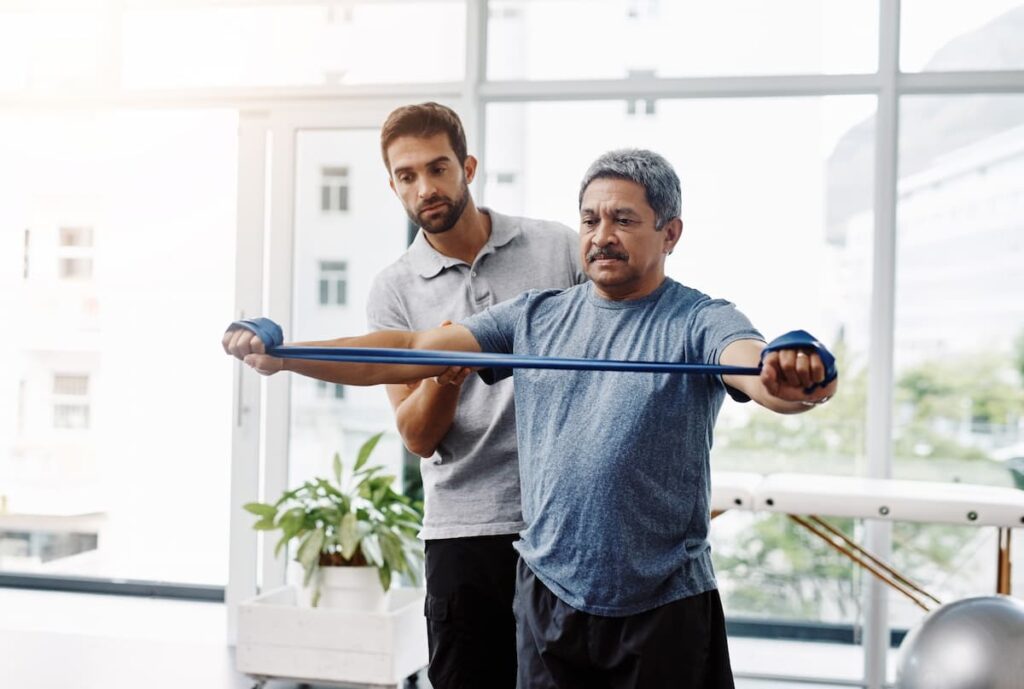
Physical Rehabilitation Near Sterling Heights, MI
When pain, stiffness, weakness, or limited movement begins interfering with work, family responsibilities, exercise, or everyday routines, a structured plan can make the next step feel more manageable. Wellness Physical Medicine Center serves people seeking physical rehabilitation near Sterling Heights, MI, from its Clinton Township, MI location. The purpose of rehabilitation is not simply to stay active while symptoms persist. It is to identify meaningful functional limitations and build a practical path toward safer, more confident movement.
Physical rehabilitation can be relevant after an injury, during recovery from a procedure, when a recurring musculoskeletal concern changes the way a person moves, or when deconditioning has made normal activity more difficult. Every situation has different medical considerations, activity demands, and goals. A thoughtful approach starts by understanding what has changed, what activities are affected, and what level of care may be appropriate.
For Sterling Heights residents considering care in Michigan, Wellness Physical Medicine Center offers a nearby point of contact in Clinton Township to discuss rehabilitation needs and next steps. Contacting the practice can help you ask service-specific questions before making decisions about your care.
What physical rehabilitation is designed to address
Physical rehabilitation is a goal-oriented process that helps people improve or restore movement, strength, function, and confidence after a health concern has affected daily activity. It may focus on reducing barriers to movement, improving tolerance for necessary tasks, and supporting a gradual return to routines that matter to the individual.
Functional difficulty does not always look dramatic. It may show up as discomfort when climbing stairs, reduced ability to turn the head while driving, trouble lifting a child, hesitation after a fall, or fatigue during a once-familiar walk. In these situations, a rehabilitation plan should connect symptoms and movement limitations to real activities, rather than treating a diagnosis as the whole story.
People often search for rehabilitative care because of concerns such as:
- Lingering limitations after a strain, sprain, fall, or other injury
- Recovery needs following a medical procedure, when rehabilitation has been recommended
- Joint stiffness, reduced range of motion, or weakness that affects normal tasks
- Back, neck, shoulder, hip, knee, or other musculoskeletal discomfort that changes movement habits
- Balance or mobility concerns that make walking, transfers, or daily activity feel less secure
- Loss of conditioning after illness, inactivity, or time away from regular activity
Not every ache requires the same response, and not every person benefits from the same pace. A rehabilitation program may emphasize mobility, stability, strength, balance, body mechanics, activity modification, or a combination of these elements. The right priorities depend on the individual’s symptoms, health history, physician guidance when applicable, and desired level of function.
Rehabilitation is about function, not just symptom relief
Symptom improvement can be important, but it is only one measure of progress. Someone may want to sit through a workday with fewer interruptions, return to gardening, move more comfortably through a grocery store, or rebuild tolerance for a sport or fitness routine. Functional rehabilitation uses those goals to give a plan practical direction.
A useful plan also recognizes that avoiding all movement indefinitely can contribute to stiffness, weakness, and loss of confidence. At the same time, pushing through significant pain or rapidly increasing activity can be counterproductive. The aim is a measured progression that respects current tolerance and adjusts as the person’s condition changes.
What a rehabilitation experience may involve
A clear rehabilitation process begins with information, then turns that information into manageable actions. While the details of care vary, prospective patients should expect discussion of the problem, an assessment of movement or functional limits, and guidance related to goals and appropriate next steps. Ask Wellness Physical Medicine Center directly about the services available for your particular concern.
Start with the history behind the limitation
The first conversation should establish when the issue began, whether there was an injury or procedure, what makes symptoms better or worse, and how the concern affects home, work, recreation, sleep, or mobility. Relevant health conditions, medications, prior treatment, and guidance from other healthcare professionals may also matter. Accurate information helps determine whether a rehabilitation-focused approach is reasonable or whether a different evaluation should come first.
It can help to arrive prepared with specific examples. Instead of saying that a knee hurts “sometimes,” note whether it occurs on stairs, after sitting, during squatting, or after a certain amount of walking. Concrete details give the care conversation a more useful starting point.
Set goals that can be recognized in daily life
Goals are more useful when they describe a real task. “Improve mobility” is broad, while “walk the dog for 20 minutes,” “reach an overhead cabinet,” or “return to a regular shift with better tolerance” provides a clearer target. Goals may change as mobility and strength improve, so reviewing them periodically is part of a sensible recovery plan.
Depending on the person and the nature of the concern, therapeutic exercise, movement education, pacing strategies, and a home routine may be discussed as components of rehabilitation. Consistency between visits often matters because improvement can depend on how well guidance fits into real life. A plan that is understandable and realistic is generally easier to follow than one that ignores schedule, responsibilities, or current capacity.
Progress should be gradual and responsive
Rehabilitation is rarely a straight line. A new activity, a demanding workweek, poor sleep, or an unrelated health issue can affect symptoms and tolerance. That does not automatically mean the plan has failed. It may mean the activity level, technique, recovery time, or goals need to be reviewed.
Good communication is essential. Tell the care team about new symptoms, concerns during activity, difficulty completing home recommendations, or changes in medical status. Physical recovery is more productive when the plan can respond to what the body is actually doing, rather than what a schedule assumed would happen.
How to decide whether rehabilitation is the right next step
Physical rehabilitation may be appropriate when a movement-related concern is limiting daily life and the individual has been advised that rehabilitative care is suitable. It is also reasonable to seek guidance when recurring symptoms are causing you to compensate, avoid necessary activity, or lose confidence in normal movement. A conversation with Wellness Physical Medicine Center can clarify the type of support you are seeking and whether additional medical evaluation may be important.
Some circumstances call for urgent attention rather than waiting for a routine rehabilitation discussion. New severe pain after a significant injury, chest pain, difficulty breathing, sudden weakness or numbness, loss of bladder or bowel control, fever with concerning symptoms, or an inability to bear weight can require prompt medical assessment. When in doubt, seek timely medical guidance.
Before choosing a provider, consider these practical questions:
- What daily activities or work demands do I want to improve?
- What diagnosis, imaging, surgical instructions, or physician recommendations should I bring?
- What type of rehabilitation services does the practice offer for my concern?
- How will progress, setbacks, and changes in goals be discussed?
- What should I expect to do between appointments, if a home plan is recommended?
- Are there symptoms or health factors that should be evaluated by another medical professional first?
Provider selection is not just about finding a nearby option. It is about finding a setting where you can communicate clearly, understand the purpose of recommendations, and ask questions about your functional goals. For someone looking beyond city limits for care near Sterling Heights, the Clinton Township location of Wellness Physical Medicine Center may be a relevant option to explore.
Rehabilitation compared with rest, self-directed exercise, and other options
Rest, self-directed exercise, and professional rehabilitative care can each have a role, but they are not interchangeable. Brief rest may be helpful in some situations, especially immediately after an aggravating event, yet prolonged inactivity can reduce strength and mobility. Generic online exercise routines may offer ideas, but they cannot account for an individual’s history, current symptoms, or medical restrictions.
Professional guidance can be valuable when there is uncertainty about safe progression, persistent functional limitation, or difficulty knowing which movements to modify. Physical Rehabilitation is most useful when recommendations are connected to the person’s current abilities and meaningful goals, not when exercises are treated as a one-size-fits-all checklist.
Medication, imaging, specialist evaluation, surgery, and rehabilitation may also intersect depending on the condition. Rehabilitation does not replace urgent evaluation or medical treatment when those are needed. Conversely, someone does not need to wait until a problem becomes severe before asking whether movement-focused support may be appropriate.
Preparing for a more productive care conversation
Arriving with a few details can make an initial discussion more efficient and more personal. Bring or be ready to describe relevant referrals, procedure instructions, test results, prior treatment, and a list of medications if these apply. Just as importantly, identify the activities you have stopped, reduced, or changed because of the problem.
- Write down when symptoms began and whether there was a specific triggering event.
- List the movements, positions, or tasks that make the issue worse or better.
- Choose two or three functional goals that would make a meaningful difference in your routine.
- Note prior injuries, surgeries, health conditions, and current medical guidance that may affect activity.
- Prepare questions about the recommended plan, expected participation, and when to report changes.
This preparation helps turn a broad concern into a focused conversation. It can also make it easier to evaluate whether the recommendations make sense for your life in Sterling Heights, MI, rather than pursuing a vague promise of a quick fix.
Consider Wellness Physical Medicine Center for next-step guidance
Choosing to address mobility or function concerns is a practical investment in the activities that support independence and quality of life. Wellness Physical Medicine Center is located in Clinton Township, Michigan, and serves individuals exploring rehabilitation options near Sterling Heights. The practice can be a useful contact point for people who want to discuss their concerns, ask about available services, and determine an appropriate next step.
There is no need to minimize a movement concern simply because you can still get through the day. If pain, weakness, stiffness, imbalance, or reduced endurance is changing how you work, exercise, care for others, or move around your home, a timely conversation can provide clarity. Contact Wellness Physical Medicine Center to ask about physical rehabilitation support from its Clinton Township, MI location.
Ready to discuss your mobility and recovery goals? Contact Wellness Physical Medicine Center to explore physical rehabilitation options near Sterling Heights, Michigan.
Frequently asked questions about rehabilitation near Sterling Heights
Is Wellness Physical Medicine Center located in Sterling Heights, MI?
No. Wellness Physical Medicine Center is located in Clinton Township, MI, and serves people seeking physical rehabilitation near Sterling Heights. Contact the practice directly to discuss the location, available services, and whether its approach fits your needs.
Who may benefit from physical rehabilitation?
Physical rehabilitation may help people whose pain, stiffness, weakness, balance concerns, or reduced mobility interfere with everyday activities. It is commonly considered after injury, following a procedure when recommended, or when a musculoskeletal concern has changed how a person moves, works, or exercises.
Do I need a diagnosis before contacting a rehabilitation provider?
Not always, but a diagnosis, referral, procedure instructions, or prior medical records can be helpful when available. If symptoms are new, severe, worsening, or accompanied by concerning warning signs, seek appropriate medical evaluation rather than assuming rehabilitation is the first step.
What should I ask during an initial rehabilitation conversation?
Ask what services may be relevant to your concern, how your functional goals would be considered, what participation may be expected between visits, and when progress should be reassessed. You can also ask whether your current symptoms or health history suggest that another medical evaluation is needed.