
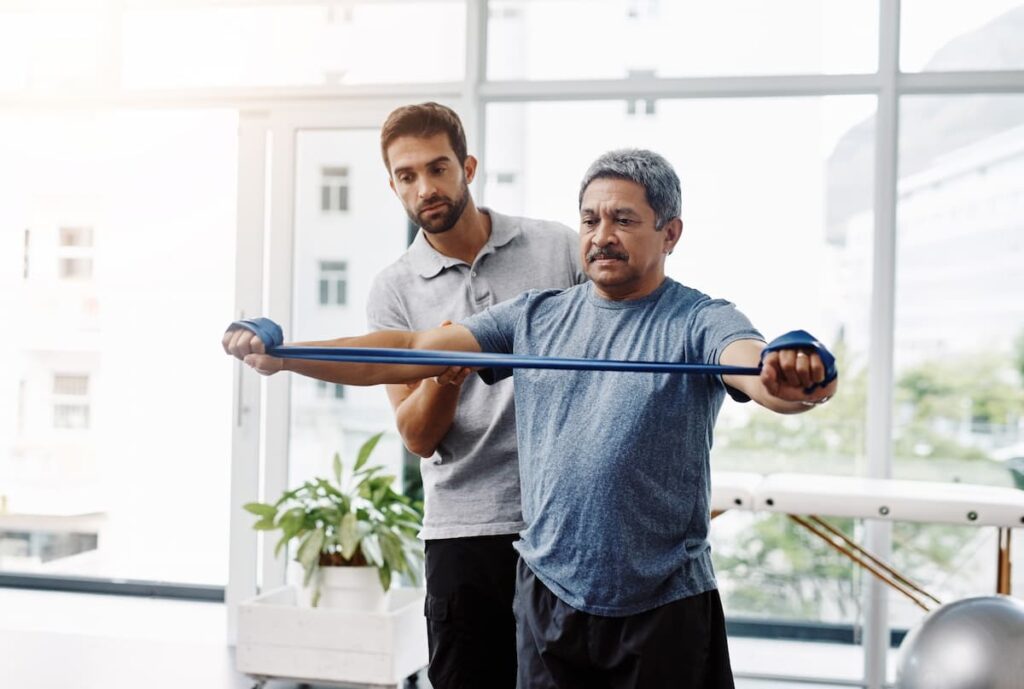
Physical Rehabilitation Near Troy, MI
When pain, weakness, stiffness, or reduced mobility starts changing how you work, exercise, sleep, or manage daily tasks, a structured rehabilitation plan can provide a practical path forward. Residents seeking physical rehabilitation near Troy, MI can contact Wellness Physical Medicine Center in Clinton Township, MI to discuss their needs and the next appropriate step. The goal of rehabilitation is not simply to rest a painful area. It is to understand how movement has been affected and build a safer, more confident return to useful activity.
Physical Rehabilitation can be relevant after an injury, a procedure, a period of inactivity, or the gradual onset of movement limitations. It may also help when a person is trying to reduce recurring discomfort, restore function, or learn how to move with better control. Individual needs vary, so an evaluation and professional guidance are important before beginning or changing an activity plan.
What physical rehabilitation is designed to address
Physical rehabilitation is a functional, goal-oriented process that helps people improve movement, strength, mobility, balance, coordination, and tolerance for daily activity. Rather than focusing only on where symptoms are felt, rehabilitation considers how a limitation affects the way a person moves and functions. A thoughtful plan may address both the immediate concern and the habits or physical deficits that can make it harder to resume normal routines.
For someone in the Troy area, the right rehabilitation approach begins with a clear conversation about what has changed. That might mean difficulty getting up from a chair, discomfort during work tasks, reduced confidence on stairs, limited range of motion, or trouble returning to a preferred activity. These details help turn a broad goal such as “feel better” into functional milestones that are more meaningful and easier to track.
Common reasons people consider rehabilitation
Many people pursue rehabilitative care because an injury or painful condition has interrupted activities they value. Others want support rebuilding capacity after they have been less active, have noticed declining strength, or are concerned that compensating for one problem is placing strain elsewhere. Rehabilitation does not require a dramatic injury to be worth discussing.
- Joint stiffness or limited range of motion that affects reaching, bending, walking, or dressing
- Muscle weakness, poor endurance, or deconditioning that makes routine tasks more demanding
- Balance or coordination concerns that reduce confidence during movement
- Recovery needs following an injury, surgery, or other change in physical function
- Recurring discomfort associated with work demands, household tasks, exercise, or prolonged positions
- A desire to return to recreational activity gradually and with better movement awareness
Not every symptom should be handled the same way. Sudden severe pain, major swelling, an obvious deformity, inability to bear weight, new numbness or weakness, chest pain, breathing difficulty, or other urgent symptoms warrant prompt medical attention. A rehabilitation program is most useful when the underlying concern has been appropriately considered and the plan matches the individual’s current health status.
A practical path from assessment to everyday movement
Effective rehabilitation is a progression, not a one-size-fits-all exercise sheet. It generally starts by identifying the activity limits that matter most, then uses guided movement, education, and appropriately paced activity to support improvement. Progress may be gradual, especially when symptoms have been present for a long time or when a person is rebuilding after a significant interruption in activity.
At Wellness Physical Medicine Center, people from around Troy can ask about physical rehabilitation options in Clinton Township. A useful first discussion should make room for your history, your current limitations, and the practical demands of your life. Being specific about what aggravates symptoms, what helps, and what you need to return to can make the conversation more productive.
What to expect during the process
The exact experience depends on the reason for care and the recommendations that follow, but rehabilitation commonly follows a clear sequence. Early sessions may emphasize assessment, symptom behavior, and safe movement. Later stages often focus more on building capacity and applying movement skills to the activities that matter outside the appointment.
- Clarify the problem and your goals. Discuss when the issue began, how it has changed, relevant health history, and the specific tasks you want to do more comfortably or confidently.
- Assess movement and function. A professional may consider mobility, strength, balance, posture, movement patterns, and how symptoms respond to certain activities.
- Build an individualized plan. The plan may include progressive exercise, mobility work, activity modification, education, and other clinically appropriate approaches based on the evaluation.
- Practice consistency between visits. Home guidance, when recommended, helps connect supervised care with real-world routines. Small, repeatable actions are often more sustainable than doing too much too soon.
- Reassess and advance. As tolerance, control, or function changes, the plan can be adjusted to keep it relevant to your goals.
Progress is not always linear. It is common to have days when a new movement feels challenging or when daily demands temporarily increase symptoms. The important distinction is between expected effort and symptoms that are severe, worsening, or concerning. Communicating changes early allows a plan to be reviewed rather than ignored.
Rehabilitation is more than symptom relief
Reduced discomfort can be an important goal, but it is only one part of functional recovery. A comprehensive physical recovery plan can also focus on confidence, body mechanics, stamina, movement control, and the ability to handle work or home responsibilities. These practical outcomes can matter just as much as whether a specific area feels less sore at rest.
For example, a person whose back becomes uncomfortable after standing may need more than temporary rest. They may benefit from identifying position changes, movement strategies, and gradual conditioning that make standing tasks more manageable. Someone returning to activity after a knee issue may need to rebuild strength and control before increasing intensity. The appropriate pace depends on the person, the condition, and the goals being pursued.
Choosing a provider for rehabilitative care
Choosing where to seek rehabilitation should involve more than looking for a nearby listing. A productive care relationship depends on whether you can explain your goals, understand the recommended approach, and receive guidance that fits your circumstances. Wellness Physical Medicine Center is located in Clinton Township, Michigan, not in Troy, so prospective patients should consider location and scheduling practicality when deciding whether the center is a good fit.
It is reasonable to ask how an office approaches evaluation, how progress is reviewed, and what role you will have in following a plan outside of appointments. Clear communication matters because rehabilitation often requires active participation. The best plan is not necessarily the most complicated one. It is one that is clinically appropriate, understandable, and realistic enough to use consistently.
Questions that can help you make a decision
- What functional goals should guide my plan, beyond simply reducing pain?
- What types of movement limitations or contributing factors will be assessed?
- How will the plan be adapted if my symptoms change or I am not progressing as expected?
- What should I do at home, at work, or during exercise between appointments?
- Which activities should I modify temporarily, and which movements are appropriate to continue?
- What signs mean I should contact another medical professional or seek urgent care?
Rehabilitation may be one part of a broader care plan. Depending on a person’s symptoms and medical history, a primary care clinician, surgeon, specialist, or other healthcare professional may also be involved. Coordinated communication can be especially useful after surgery, following a new diagnosis, or when medical conditions affect exercise tolerance and recovery.
Why action and pacing both matter
A common misconception is that complete rest is always the fastest answer to pain or injury. In some situations, temporary protection or reduced activity is appropriate. However, prolonged avoidance can contribute to stiffness, weakness, loss of endurance, and greater fear of movement. Rehabilitation helps identify a safer middle ground between pushing through every symptom and avoiding movement altogether.
Another misconception is that rehabilitation is only for athletes or only for people recovering from surgery. In reality, people with many activity levels and life circumstances may benefit from movement rehabilitation. A person who wants to carry groceries more easily, tolerate a workday with fewer limitations, improve steadiness, or resume walking for exercise can have meaningful functional goals.
The right level of challenge should be individualized. Mild effort or temporary soreness after new activity may be expected in some cases, while sharp pain, sudden loss of function, or concerning new symptoms should not be dismissed. Professional guidance can help distinguish productive progression from a need to pause, modify, or seek further evaluation.
Rehabilitation support for people near Troy
Convenience matters because meaningful rehabilitation often involves follow-through over time. Although Wellness Physical Medicine Center does not claim an office in Troy, MI, its Clinton Township location may be a relevant option for individuals searching for physical rehabilitation in the surrounding Michigan region. Contacting the center is a direct way to ask about the type of care you need and whether scheduling there aligns with your situation.
Before reaching out, consider writing down the activity you most want to improve, when symptoms occur, what you have already tried, and any relevant diagnosis or treatment history. Bringing that information to the conversation can help make your needs clearer. It can also help you evaluate whether the recommended next step makes sense for your goals and comfort level.
Frequently asked questions
What is physical rehabilitation?
Physical rehabilitation is a structured approach to improving function after pain, injury, surgery, inactivity, or movement limitations. It may address mobility, strength, balance, coordination, endurance, and safe return to daily activities. The plan should be based on an individual assessment, health history, symptoms, and functional goals.
Do I need to wait until pain is severe before seeking rehabilitative care?
No. It can be reasonable to seek guidance when discomfort, stiffness, weakness, or reduced movement is beginning to interfere with work, sleep, exercise, household tasks, or confidence. Early discussion may help clarify appropriate next steps. Urgent or severe symptoms should be evaluated promptly by the appropriate medical professional.
Is Wellness Physical Medicine Center located in Troy, MI?
No. Wellness Physical Medicine Center is located in Clinton Township, MI. The center serves as an option for people looking for Physical Rehabilitation near Troy and elsewhere in the surrounding Michigan area. Contact the office to discuss your needs and determine whether the location is practical for you.
How can I prepare for an initial rehabilitation conversation?
Be ready to describe your main concern, when it started, what movements affect it, and which activities you want to resume. Share relevant medical history, current treatments, and prior injuries when applicable. You can also ask how goals are measured, what home participation may involve, and when your plan would be reassessed.
Take the next step toward more confident movement
If physical limitations are keeping you from the routines that matter, do not settle for guessing your way back to activity. Wellness Physical Medicine Center in Clinton Township, Michigan offers a clear point of contact for people seeking rehabilitation support near Troy. Reach out to discuss your concerns, ask practical questions, and find out whether an evaluation is an appropriate next step for you.
Contact Wellness Physical Medicine Center to begin the conversation about your rehabilitation needs.