
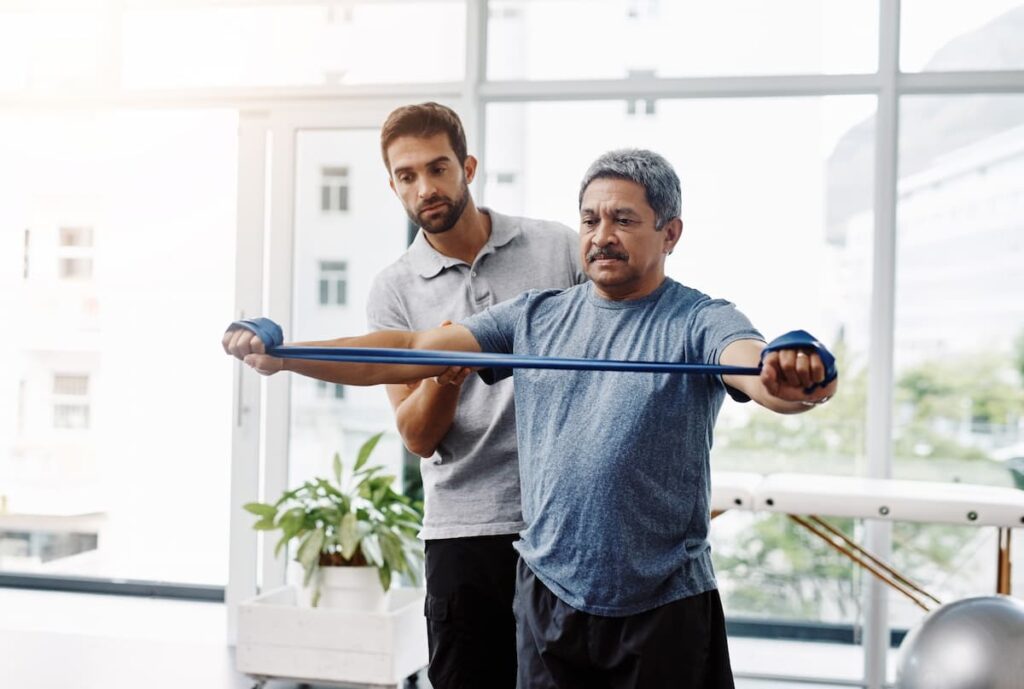
Physical Rehabilitation Near Chesterfield, MI
When pain, injury, surgery, or a change in mobility makes everyday movement harder, a structured rehabilitation plan can provide a practical path forward. Wellness Physical Medicine Center serves people seeking Physical Rehabilitation near Chesterfield, MI, from its Clinton Township, MI location. The purpose of rehabilitation is not simply to rest an affected area. It is to understand how symptoms and movement limitations affect daily life, then work toward safer, more confident function.
Whether you are struggling with a recent setback or a problem that has gradually limited your activity, choosing a provider begins with knowing what care should address. A useful plan considers your symptoms, movement goals, health history, and the activities that matter to you, from walking and work tasks to household routines and recreation. Wellness Physical Medicine Center offers a nearby point of contact for Chesterfield-area residents who want to discuss their concerns and next steps.
What physical rehabilitation is designed to address
Physical rehabilitation focuses on restoring or improving functional movement after pain, injury, illness, surgery, or physical deconditioning. The exact approach varies because the needs of a person recovering from a procedure are different from the needs of someone managing recurring back discomfort or balance concerns. Rehabilitation commonly combines assessment, progressive movement, education, and a plan that can be adjusted as a person’s condition changes.
A person may seek rehabilitative care because a body part feels weak, stiff, unstable, painful, or difficult to use in normal ways. The goal is often broader than symptom relief alone. Effective recovery planning can help identify the movement patterns, strength deficits, flexibility limitations, or activity demands that may be contributing to the problem.
Reasons people look for rehabilitation support
Many concerns can affect independence and quality of life even when they do not feel dramatic at first. Seeking evaluation can be reasonable when symptoms persist, movement becomes guarded, or an activity that was once routine becomes difficult. Common reasons to explore a rehabilitation program include:
- Recovery after an injury, procedure, or period of reduced activity
- Joint stiffness, reduced range of motion, or trouble with bending, reaching, lifting, or walking
- Muscle weakness, poor endurance, or loss of confidence with movement
- Recurring neck, back, shoulder, hip, knee, or other musculoskeletal discomfort
- Balance changes or concern about stability during daily activities
- Preparation to return gradually to work, exercise, hobbies, or household responsibilities
Not every ache requires the same response. Some people benefit from a period of activity modification and professional guidance, while others may need additional medical evaluation before beginning a more active recovery plan. Severe symptoms, a significant new injury, sudden weakness, loss of sensation, chest pain, trouble breathing, or other urgent changes warrant prompt medical attention.
A practical recovery process starts with your function
Physical Rehabilitation should begin with a clear picture of what you can do now, what is difficult, and what you need or want to do next. Rather than treating a complaint as an isolated issue, rehabilitation planning often examines how pain, strength, mobility, coordination, and activity habits interact. That functional perspective helps make goals meaningful and easier to measure over time.
What to expect when you contact Wellness Physical Medicine Center
The first step is an opportunity to explain what has changed and why you are seeking care. Be ready to describe when symptoms began, what movements aggravate or ease them, any prior injuries or procedures, and how the issue affects work, sleep, exercise, or personal care. Sharing relevant medical information helps a provider determine whether rehabilitation may be an appropriate fit and whether further evaluation should be considered.
Although each person’s care experience differs, a thoughtful rehabilitation pathway commonly includes the following sequence:
- Discuss your primary concern, health history, current limitations, and functional goals.
- Evaluate relevant movement, mobility, strength, tolerance, and symptom patterns as appropriate.
- Develop a plan centered on realistic next steps and activities that support recovery.
- Progress the plan based on response, changing ability, and the demands of daily life.
- Review strategies for maintaining gains and recognizing when follow-up is helpful.
Improvement is rarely identical from one person to another. Recovery can depend on the nature and duration of the condition, overall health, consistency with the plan, work or home demands, and the ability to progress without overdoing activity. A responsible discussion should acknowledge those variables rather than promise a specific timeline or outcome.
Active rehabilitation versus rest alone
Rest can be important immediately after certain injuries or during symptom flares, but rest alone does not always rebuild strength, mobility, or confidence. Physical Rehabilitation care may offer a more organized way to reintroduce movement and activity when that is appropriate. The right amount of activity is individualized, since pushing too quickly can aggravate symptoms while avoiding movement for too long may contribute to stiffness, weakness, or fear of activity.
Some situations require medical, surgical, medication-based, or diagnostic care in addition to, or before, rehabilitation. These options are not necessarily competing choices. The appropriate path depends on the condition and the findings of the clinical evaluation. Asking how rehabilitation fits into your broader care plan can help you make an informed decision.
How to choose a rehabilitation provider near Chesterfield
For people in Chesterfield, Michigan, the best fit is often a provider who takes time to connect symptoms with real-life goals and communicates clearly about the next steps. Convenience matters, but it should be considered alongside the ability to ask questions, understand the plan, and participate in decisions about your care. Wellness Physical Medicine Center is located in Clinton Township, Michigan, rather than Chesterfield, so prospective patients should contact the center directly to discuss their needs and scheduling options.
Questions that can help you make a confident decision
A consultation is a chance to assess more than a treatment recommendation. It is also an opportunity to decide whether the process feels understandable and aligned with your goals. Consider asking questions such as:
- What movement or functional factors may be related to my current difficulty?
- What are the short-term and longer-term goals of my rehabilitation plan?
- How will progress be evaluated or adjusted if symptoms change?
- What activities should I modify, continue, or gradually resume?
- Are there warning signs that mean I should seek additional medical assessment?
- What can I do between visits to support safe, consistent progress?
Clear answers can reduce uncertainty and help you take an active role in musculoskeletal rehabilitation. A plan should make sense in the context of your actual responsibilities. For example, a return-to-activity plan may look different for someone who needs to stand throughout a workday than for someone whose main goal is getting up and down stairs more comfortably.
Benefits that matter beyond a single painful movement
Rehabilitation care can support more than a temporary reduction in discomfort. By addressing mobility, strength, balance, endurance, and movement confidence, a recovery program can help a person work toward greater independence in daily routines. The practical benefit is often the ability to participate more fully in the activities that symptoms have interrupted.
Progressive care can make larger goals feel more manageable. Instead of trying to return immediately to every prior activity, rehabilitation breaks recovery into attainable stages. That approach can help a person recognize improvement in useful ways, such as tolerating a longer walk, moving with less hesitation, completing a task with better control, or needing fewer compensations during normal routines.
Wellness Physical Medicine Center can be a relevant choice for individuals looking for a conversation about physical recovery near Chesterfield, MI. Contacting the Clinton Township location allows you to describe your concerns, ask whether rehabilitation services may suit your situation, and determine an appropriate next step without assuming that every condition requires the same plan.
Common questions about rehabilitation care
What is Physical Rehabilitation?
Physical Rehabilitation is a structured process that aims to improve functional movement, strength, mobility, balance, and activity tolerance after injury, pain, surgery, illness, or deconditioning. A plan is tailored to the person’s limitations and goals, then adjusted as function and symptoms change.
Do I need to wait until pain is completely gone before starting rehabilitation?
Not always. In many circumstances, appropriately guided movement can be part of recovery before all symptoms have resolved. However, the timing and intensity depend on the cause of the pain, the severity of symptoms, and relevant medical factors. A professional evaluation can help determine whether activity should be modified, progressed, or postponed.
Can rehabilitation help if my problem has been present for a long time?
Long-standing symptoms may still be worth discussing. Chronic discomfort can involve movement habits, reduced conditioning, weakness, stiffness, and activity avoidance, among other factors. Rehabilitation does not guarantee a particular result, but an individualized assessment can clarify functional limitations and identify reasonable goals for improved movement and daily activity.
Is Wellness Physical Medicine Center located in Chesterfield, MI?
No. Wellness Physical Medicine Center is located in Clinton Township, MI and serves people seeking care near Chesterfield. Contact the center to discuss your rehabilitation needs, ask practical questions, and learn whether scheduling at the Clinton Township location is appropriate for you.
Take the next step toward more comfortable, capable movement
You do not have to decide alone whether rehabilitation is the right direction for an injury, ongoing pain concern, mobility change, or return-to-activity goal. A focused conversation can help clarify what is limiting you and whether a structured recovery plan may be useful. Bring your questions, a brief history of the concern, and the activities you want to get back to.
For Physical Rehabilitation near Chesterfield, MI, contact Wellness Physical Medicine Center in Clinton Township, Michigan. The team can help you begin the conversation about your needs and the most appropriate next step.