
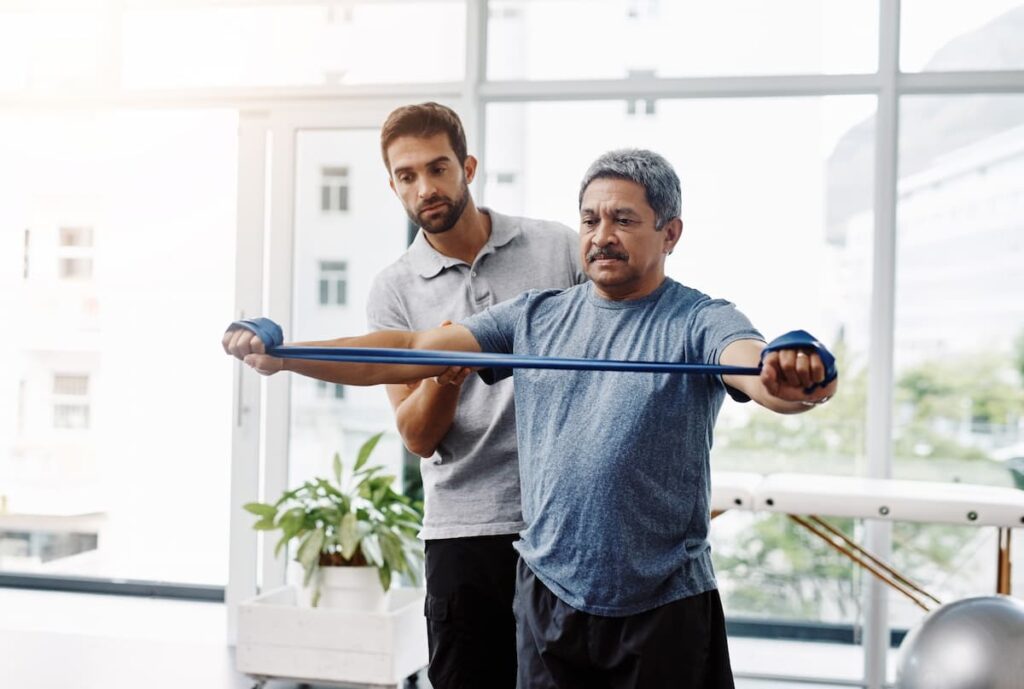
Physical Rehabilitation Near Mt. Clemens, MI
Physical rehabilitation can be an important next step when pain, injury, reduced mobility, or a recent procedure makes ordinary movement harder than it should be. For people searching in Mt. Clemens, MI, Wellness Physical Medicine Center offers a nearby option from its Clinton Township, MI location. The goal of a rehabilitation plan is not simply to move more, but to help identify movement limits and build a practical path toward safer, more comfortable daily activity.
Whether discomfort affects walking, reaching, getting up from a chair, working, exercising, or sleeping, a structured approach can make the problem feel more manageable. Wellness Physical Medicine Center can be a relevant place to begin a conversation about your concerns and the role rehabilitation may play in your overall care. Michigan residents should seek individualized guidance rather than relying on a one-size-fits-all exercise routine.
What physical rehabilitation is designed to address
Physical rehabilitation is a guided process for restoring or improving functional movement, strength, flexibility, balance, and confidence after pain, injury, illness, or a change in physical ability. It commonly combines an assessment of how a person moves with a progressive plan that is adjusted to symptoms, goals, and tolerance. The appropriate plan varies widely because the demands of a warehouse job, a desk job, caregiving, and recreational activity are not the same.
Rehabilitation care may be considered after an acute issue, such as a strain or fall, or when symptoms have developed gradually. Persistent stiffness, weakness, reduced endurance, and difficulty with routine tasks can all be reasons to ask whether a more organized recovery plan is appropriate. It can also be useful when someone has been avoiding movement because of fear that activity will worsen discomfort.
Situations that often prompt a rehabilitation conversation
Not every ache requires the same response, and a professional evaluation helps put symptoms in context. Some people seek rehabilitative care after receiving direction from another medical professional, while others start by looking for help with functional limitations. Common reasons to explore a plan include:
- Difficulty returning to normal activity after an injury or period of inactivity
- Joint stiffness or reduced range of motion that interferes with dressing, reaching, bending, or walking
- Weakness, poor balance, or lower endurance during household, work, or recreational tasks
- Discomfort related to repeated movement, posture, lifting, or prolonged sitting
- Recovery needs following a procedure, when rehabilitation has been recommended as part of the care plan
- A desire to learn safer movement strategies before resuming exercise or a physically demanding routine
These concerns do not establish a diagnosis, and symptoms can have different causes. New severe pain, major swelling, inability to bear weight, sudden weakness, chest symptoms, shortness of breath, fever, loss of bladder or bowel control, or other urgent changes should be evaluated promptly through appropriate medical care. Rehabilitation is most helpful when the plan matches the person’s condition and safety needs.
How a rehabilitation plan usually takes shape
A useful rehabilitation experience starts with understanding the person, not just naming a painful body part. Before recommending activity, a provider generally needs to know what has changed, which movements trigger symptoms, what medical guidance has already been given, and what the individual needs to return to. For a visitor from the Mt. Clemens area, bringing relevant records, imaging reports, medication information, or referral instructions can make that conversation more productive.
Start with function, symptoms, and realistic goals
The first phase commonly focuses on history and functional assessment. Someone may be asked about the onset of symptoms, prior injuries, daily demands, sleep, activity level, and goals. Observation of posture, movement patterns, balance, joint motion, strength, or tolerance for specific tasks may help clarify where limitations show up.
Goals are strongest when they are concrete. “I want to feel better” is understandable, but a more usable goal might be walking through a store with less difficulty, climbing stairs with more confidence, returning to gardening, lifting a child, or completing a work shift with fewer movement restrictions. Clear goals give a rehabilitation program a practical direction and make it easier to discuss whether the plan is helping.
Progressive activity is different from pushing through pain
Physical recovery often involves gradual exposure to movement, strengthening, mobility work, balance training, and education about body mechanics. Progression should reflect how the person responds, rather than a fixed schedule or a comparison to someone else. Mild effort or temporary soreness can occur with activity, but sharp pain, worsening symptoms, unusual swelling, numbness, or a significant loss of function are reasons to communicate with a qualified professional.
- Clarify the starting point. Discuss symptoms, relevant health history, current restrictions, and activities that matter most to you.
- Set functional priorities. Identify meaningful short-term and longer-term movement goals.
- Follow the agreed plan. This may include guided movement, therapeutic exercise, mobility work, and strategies for daily tasks, as appropriate to the individual.
- Monitor response and adjust. Report changes so the plan can be reviewed instead of guessing through setbacks.
- Support carryover at home. Consistent, appropriate habits between visits are often important to rebuilding function.
Recovery does not always follow a straight line. Flare-ups, busy schedules, pre-existing conditions, and changes in workload can affect progress. A good plan accounts for those realities and helps a person understand which adjustments are sensible instead of treating every difficult day as failure.
Choosing a nearby option from Mt. Clemens
When evaluating Physical Rehabilitation options near Mt. Clemens, consider whether the provider will take time to understand the functional problem you want to solve. The most useful choice is not necessarily the one that promises a rapid fix. It is the option that supports informed decisions, clear communication, and a plan that makes sense for your symptoms, medical history, and day-to-day responsibilities.
Wellness Physical Medicine Center is located in Clinton Township, Michigan, not in Mt. Clemens. That distinction matters for people looking for local care: the practice serves as a nearby Clinton Township option for those in and around Mt. Clemens, MI, rather than claiming an office within Mt. Clemens itself. Contacting the center is an appropriate way to ask about the services available, appointment considerations, and whether your situation may be a fit.
Questions worth asking before you begin
An initial contact is also your chance to determine whether the setting and approach align with your needs. Asking direct questions can reduce uncertainty and help you prepare for the first visit. Consider discussing:
- What information, referrals, or records should I bring?
- What type of assessment is expected for my concern?
- How will my functional goals guide the rehabilitation plan?
- What activities should I modify while I am being evaluated?
- How will progress, setbacks, and changes in symptoms be handled?
- Are there questions I should also take back to my primary care clinician or specialist?
It is also reasonable to ask about practical matters that affect follow-through, such as scheduling, documentation needs, and payment or coverage questions. Wellness Physical Medicine Center can provide its own current information when you contact the Clinton Township office. Avoid assuming that a particular service, coverage arrangement, or treatment schedule is available until you have confirmed it directly.
Why daily function should stay at the center of care
The value of a rehabilitation program is often measured in ordinary moments. Improved movement control may support easier transfers, steadier walking, safer lifting, better tolerance for standing, and greater confidence returning to routines. Those benefits are meaningful because function influences independence, participation, and quality of life, not just exercise performance.
At the same time, rehabilitation is not a substitute for medical evaluation when a condition needs diagnosis, medication management, imaging, surgical consultation, or urgent treatment. It can work alongside broader medical care when appropriate. Being open about prior treatment, current symptoms, and concerns helps create safer coordination and more realistic expectations.
For some people, self-directed rest and basic activity modification may be enough for a short-lived, mild issue. For others, continuing to wait can lead to more avoidance, deconditioning, or compensation patterns that make normal tasks harder. The decision to seek help is especially reasonable when symptoms are recurring, function is declining, or you are unsure how to resume activity safely.
Take a practical next step with Wellness Physical Medicine Center
If movement limitations are keeping you from the activities that matter, Wellness Physical Medicine Center offers a clear point of contact near the Mt. Clemens area. A conversation can help you describe what is happening, ask about rehabilitation care, and determine appropriate next steps based on your individual circumstances. The Clinton Township, MI location provides the actual office location for this nearby Michigan option.
Do not let uncertainty keep you from asking questions about your recovery. Contact Wellness Physical Medicine Center to discuss your needs, request current information, and explore whether a personalized rehabilitation approach may be appropriate. Contact Wellness Physical Medicine Center to get started.
Frequently asked questions
What is physical rehabilitation?
Physical rehabilitation is an individualized process that helps address reduced movement, strength, balance, endurance, or function after pain, injury, illness, inactivity, or a procedure. It typically uses assessment, progressive activity, education, and goal-based planning to support safer participation in everyday tasks.
Do I need to be seriously injured to consider rehabilitation?
No. People may seek rehabilitation for gradual stiffness, recurring discomfort, reduced mobility, weakness, balance concerns, or trouble returning to routine activity. The right next step depends on the symptoms and medical context. A professional can help determine whether rehabilitative care is appropriate or whether another evaluation should come first.
Is Wellness Physical Medicine Center located in Mt. Clemens, MI?
No. Wellness Physical Medicine Center is located in Clinton Township, MI. It is presented as a nearby option for people searching for physical rehabilitation in or around Mt. Clemens, not as an office located within Mt. Clemens.
What should I do before contacting a rehabilitation provider?
Make a brief note of when symptoms began, movements that aggravate or relieve them, prior injuries, current medications, and the daily activities you want to regain. Bring referral instructions or relevant medical records if you have them. Contact a medical professional promptly for severe, sudden, or concerning symptoms.