
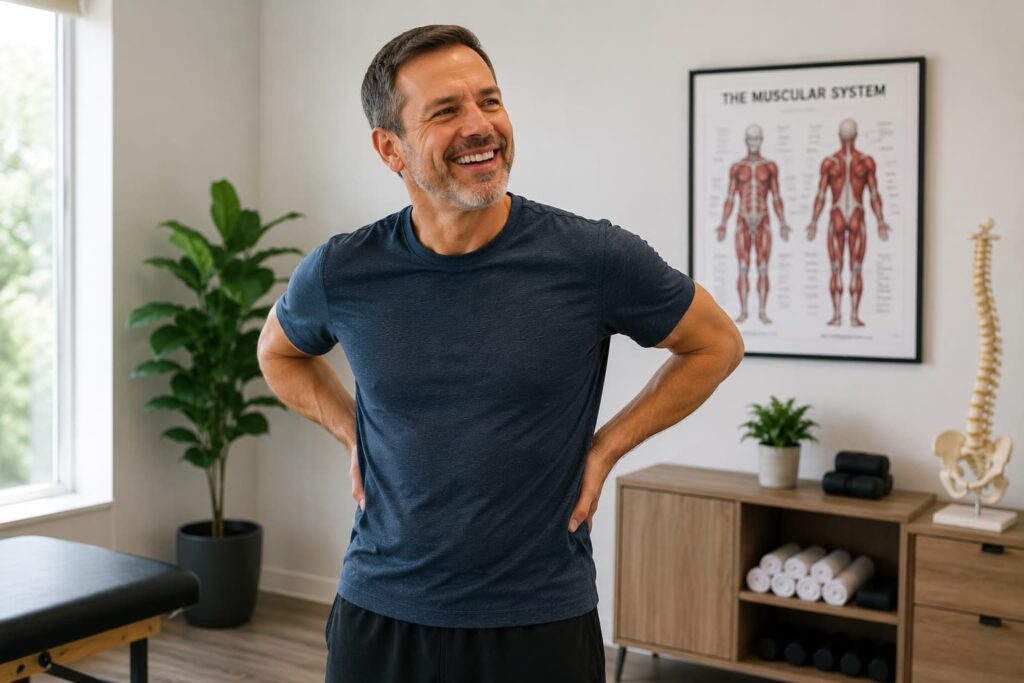
Lower Back Pain Relief Near Troy, MI
Persistent low back discomfort can affect far more than a workday. It can make sitting through a drive, lifting groceries, sleeping comfortably, exercising, or keeping up with family responsibilities feel uncertain. For people seeking lower back pain relief near Troy, MI, Wellness Physical Medicine Center is located in Clinton Township, Michigan, and offers a starting point for discussing spinal concerns and next steps.
Back pain is not one-size-fits-all. Symptoms may stem from a recent strain, repetitive movement, long periods of sitting, age-related spinal changes, or a condition that needs more timely medical attention. A thoughtful approach begins by understanding the pattern of pain, how it affects daily function, and whether signs point to a concern that should be evaluated promptly.
Understanding Lower Back Pain and What Relief May Involve
Lower back pain relief is usually about reducing discomfort while improving the ability to move, work, rest, and participate in normal activities. The right path depends on the individual cause, symptom severity, medical history, and whether pain remains localized or travels into the hip, buttock, or leg. Relief may involve conservative care, activity modifications, clinical evaluation, or referral when another type of care is more appropriate.
The lumbar spine supports much of the body’s weight and manages repeated bending, twisting, and loading. Muscles, ligaments, joints, discs, and nerves all contribute to how the lower back feels and functions. Because several structures can produce similar symptoms, it is useful to avoid assuming that every episode of pain has the same source.
Common patterns that bring people in for help
Many people first seek back pain treatment after discomfort lingers beyond a few days, keeps returning, or begins limiting everyday movement. Some notice a stiff, aching sensation after sitting or standing for extended periods. Others feel a sharper pain after lifting, reaching, yard work, exercise, or an awkward movement.
- Low back stiffness that makes it difficult to straighten up or change positions
- Muscle tightness or spasms after activity, work tasks, or prolonged inactivity
- Discomfort that worsens with bending, twisting, sitting, standing, or walking
- Pain that extends toward the buttock, hip, or leg
- Recurring flare-ups that interrupt sleep, exercise, household tasks, or job duties
These patterns can be frustrating, but they do not automatically identify a diagnosis. A symptom description, its timing, and the movements that increase or reduce discomfort can provide useful context when considering conservative lower back care. Keeping track of what changed before symptoms began can also make a consultation more productive.
Why leg symptoms deserve clear attention
Low back symptoms sometimes occur alongside tingling, numbness, burning, or pain that radiates down a leg. People often use the term sciatica for this type of pattern, although leg pain can have more than one cause. It is important to describe exactly where symptoms travel, whether weakness is present, and which positions change the sensation.
New or worsening weakness, numbness in the groin or saddle area, loss of bladder or bowel control, fever with back pain, pain after significant trauma, or unexplained weight loss can signal the need for urgent medical evaluation. Severe, unrelenting pain or symptoms that rapidly worsen also warrant prompt attention. A local service page cannot diagnose these concerns, and delaying appropriate care is not a substitute for evaluation.
A Practical Path Toward Back Pain Relief
An effective plan begins with listening, assessment, and a clear discussion of what may be appropriate for the person in front of you. Rather than chasing a quick fix for every ache, a sensible process considers pain triggers, movement tolerance, prior injuries, daily demands, and relevant health conditions. This helps distinguish a simple short-term flare-up from a problem that may need broader medical coordination.
Wellness Physical Medicine Center in Clinton Township, MI can be a relevant contact for Troy-area residents who want to discuss spinal concerns in a care-focused setting. The Lower Back Pain Relief information available through Wellness Physical Medicine Center can help prospective patients understand the broader focus on spinal care before they reach out.
What to prepare for an initial conversation
Being specific about symptoms supports a more useful discussion. You do not need to arrive with a diagnosis. Clear notes about your experience, however, can help a provider understand what is interfering with your routine and identify whether further evaluation should be considered.
- Note when the pain started and whether it followed an injury, unusual activity, or gradual onset.
- Describe the location, intensity, and character of the discomfort, such as aching, tightness, sharp pain, or burning.
- List movements and positions that aggravate or ease symptoms, including sitting, stairs, bending, walking, or sleeping.
- Bring information about previous back injuries, relevant diagnoses, medications, and prior imaging or treatment if available.
- Mention leg symptoms, numbness, weakness, balance changes, or any red-flag symptoms immediately.
After an assessment, the next step may be conservative management, guidance on activity, or a recommendation to coordinate with another healthcare professional. The specific approach should fit the clinical picture rather than a predetermined routine. Asking how a recommendation relates to your symptoms and functional goals is reasonable and useful.
Choosing a Provider for Ongoing Low Back Care
Choosing where to seek help for low back pain should involve more than finding the closest listing. A good decision considers communication, appropriate screening, the ability to explain recommendations in plain language, and whether the provider recognizes when a different level or type of care is needed. These factors matter whether pain began yesterday or has disrupted life for months.
For someone in Troy, Michigan, it may be helpful to compare options based on the type of concern rather than assuming all back pain requires the same service. Acute severe symptoms, major trauma, or neurological changes may call for urgent or emergency evaluation. Persistent mechanical discomfort without those warning signs may be better suited to a structured discussion of conservative spine-focused options.
Useful distinctions when weighing your options
Rest can be helpful for a brief period after a strain, but prolonged inactivity can contribute to stiffness and reduced confidence with movement. On the other hand, pushing through severe or escalating pain without assessment can be unwise. The practical goal is usually measured activity and informed decision-making, not complete bed rest or ignoring symptoms.
- Short-lived soreness: May improve with temporary activity changes and attention to body mechanics, provided no warning signs are present.
- Recurring or function-limiting pain: Often merits a professional discussion, especially when it repeatedly affects work, sleep, or mobility.
- Radiating symptoms or weakness: Need careful description and may require more urgent evaluation depending on severity and progression.
- Complex health history: Calls for coordination and caution when considering any approach to back discomfort.
Prospective patients can also ask practical questions about the evaluation process, expected goals, what information to bring, and how recommendations will be adjusted if symptoms change. A provider should not promise a particular outcome before understanding the person’s condition. Clear expectations are more valuable than broad claims about rapid results.
Everyday Measures That Can Support a Care Plan
Daily habits cannot replace professional evaluation when symptoms are significant, but they can support sensible low back pain management. The most useful adjustments are often small and consistent: changing positions regularly, avoiding sudden increases in demanding activity, and paying attention to movements that repeatedly provoke pain. The goal is to maintain safe, tolerable movement while avoiding activities that clearly worsen symptoms.
For desk work, brief standing or walking breaks may be more practical than remaining in one posture for hours. For lifting tasks, reducing the load when possible, keeping items close to the body, and avoiding twisting while carrying can reduce unnecessary strain. Sleep position, footwear, work setup, and stress can also influence how a painful back feels, although none of these factors alone explains every case.
Lasting progress is often measured in function as well as pain. Being able to get out of a chair more easily, walk farther, return to a valued activity, or sleep with fewer interruptions can be meaningful signs to discuss during care. If a home measure consistently increases pain, causes new radiating symptoms, or feels unsafe, stop and seek professional guidance.
Lower Back Pain Relief FAQs
When should I seek professional help for lower back pain?
Seek professional guidance when pain persists, repeatedly returns, limits sleep or normal activity, travels into a leg, or is accompanied by numbness or weakness. Seek urgent medical attention for bowel or bladder changes, saddle numbness, fever, major trauma, or rapidly worsening neurological symptoms.
Can Wellness Physical Medicine Center serve people looking for care near Troy, MI?
Yes. Wellness Physical Medicine Center is located in Clinton Township, MI, not Troy. People seeking lower back pain support in the Troy area can contact the center to discuss their concerns, available next steps, and whether the practice is an appropriate fit for their situation.
Is lower back pain always caused by a disc problem?
No. Lower back pain can involve muscles, joints, ligaments, discs, nerves, movement patterns, or more than one factor. Symptoms alone do not confirm a disc issue. A careful history and appropriate evaluation help determine what should be considered and whether additional medical assessment is needed.
What should I do if my back pain improves and then returns?
Recurring pain is a reason to look for patterns. Note recent activity changes, work demands, sitting time, sleep disruption, and movements that trigger symptoms. If flare-ups are becoming more frequent, more intense, or more limiting, contact a professional rather than relying only on temporary self-care.
Take the Next Step Toward a More Comfortable Routine
When lower back pain starts dictating how you sit, move, work, or rest, a clear conversation can be a constructive first step. Wellness Physical Medicine Center serves people seeking lower back pain relief near Troy and is located in Clinton Township, Michigan. Contact the center to share your concerns and determine an appropriate next step for your spinal health needs.
Contact Wellness Physical Medicine Center to discuss lower back discomfort and request more information about care options in Clinton Township, MI.